
Professional Car Detailing vs. Car Washing: What’s the Difference?
September 14, 2026
Professional Car Detailing vs. Car Washing: What’s the Difference?
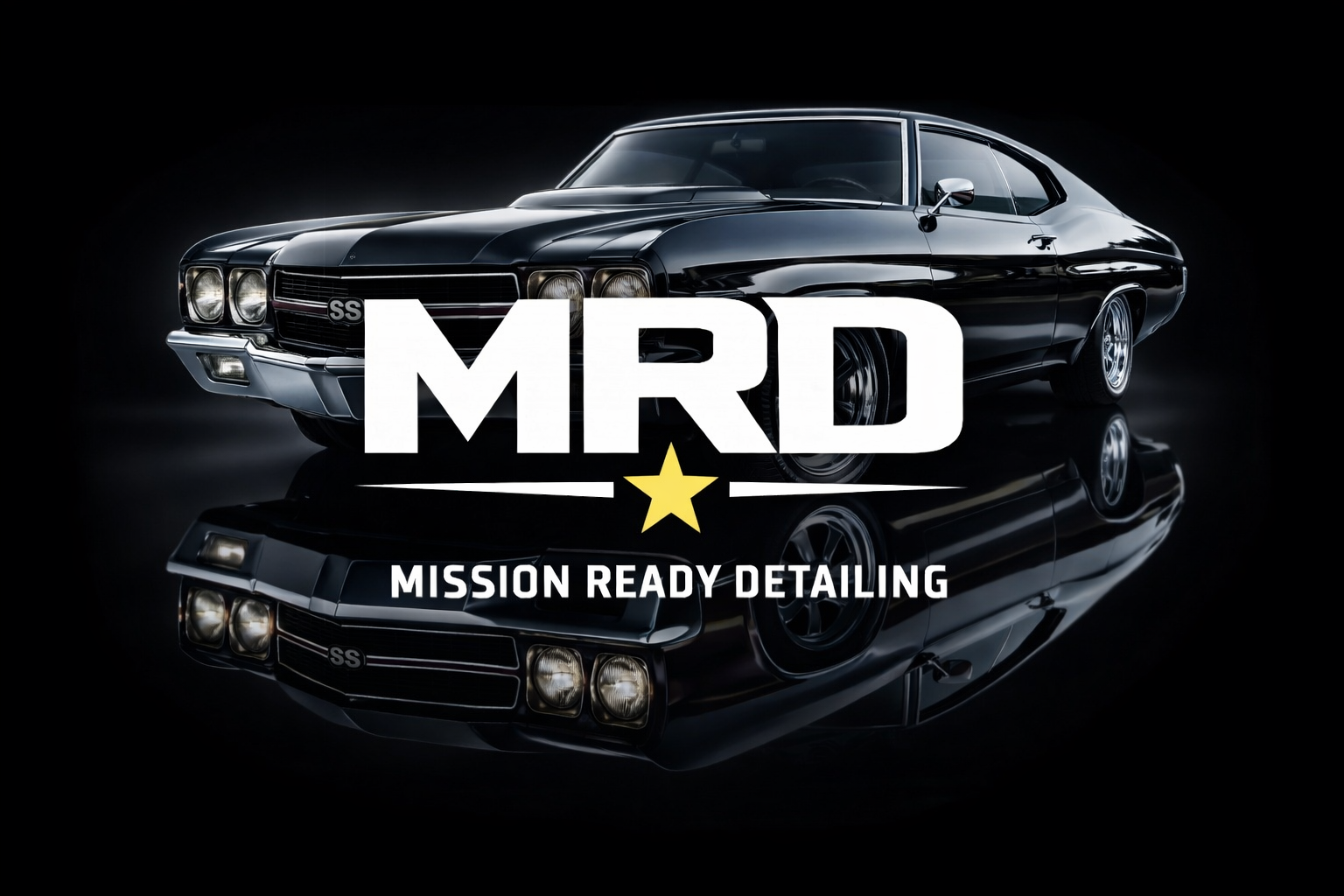
If you're searching for professional car detailing in the Chicagoland area, you may be wondering what separates a professional auto detailer from a traditional car washer. After all, both services clean vehicles, so why does a professional detail cost more than a basic car wash? The difference comes down to training, technique, products, equipment, paint knowledge, surface protection, and attention to detail.
At Mission Ready Detailing (MRD), professional auto detailing isn't simply about making your vehicle look clean, it's about safely cleaning, restoring, correcting, and protecting your vehicle using professional products and proven detailing techniques. Simply put, a car washer removes dirt, a professional auto detailer cleans, restores, corrects, protects, and helps maintain your vehicle, so If you care about preserving your vehicle's appearance and protecting your investment, understanding that difference matters.
What Is Professional Auto Detailing?
Professional auto detailing is a comprehensive process designed to clean, restore, enhance, and protect a vehicle's interior and exterior surfaces.
Unlike a traditional car wash, professional detailing may include services such as:
- Professional hand washing
- Wheel and tire cleaning
- Bug and road-film removal
- Paint decontamination
- Iron removal
- Clay-bar treatment
- Paint polishing
- Paint correction
- Scratch and swirl reduction
- Ceramic coatings
- Paint protection
- Interior deep cleaning
- Carpet and upholstery extraction
- Leather cleaning and conditioning
- Odor treatment
- Glass cleaning
- Trim restoration and protection
The exact process depends on the condition of the vehicle and the customer's goals. At Mission Ready Detailing, we believe professional detailing should follow three basic principles: Clean, Correct, Protect. First, we safely clean the vehicle and when necessary, we correct imperfections and finally, we protect the surfaces to help maintain the results.
Car Wash vs. Professional Car Detailing
The easiest way to understand the difference between a car washer and a professional detailer is to look at the objective of each service.
A traditional car wash is primarily designed to remove visible dirt and improve the vehicle's immediate appearance, where professional auto detailing is designed to safely clean the vehicle while improving, restoring, and protecting its surfaces whenever appropriate.
If your vehicle simply needs routine dirt removed, a basic car wash may be perfectly appropriate, but if you're concerned about swirl marks, scratches, oxidation, stains, contamination, paint protection, ceramic coatings, interior restoration, or long-term vehicle appearance, professional detailing offers a completely different level of service.
1. Professional Detailers Understand Automotive Surfaces
Modern vehicles contain dozens of different materials. Inside your vehicle, a professional detailer may encounter leather, synthetic leather, vinyl, plastic, rubber, carpet, fabric, microsuede, touchscreens, piano-black trim, wood trim, aluminum, and other delicate materials.
The exterior may contain paint, clear coat, plastic trim, glass, chrome, aluminum, wheels, tires, vinyl wraps, paint protection film (PPF), and ceramic-coated surfaces. These materials cannot always be cleaned using the same chemical or technique, so a product that's safe for one surface may damage another. Professional detailers understand what they're cleaning before deciding how they're going to clean it. That's an important distinction.
2. Professional Auto Detailing Requires Chemical Knowledge
Professional detailing products aren't simply stronger versions of household cleaners. A trained auto detailer understands how chemicals interact with different types of contamination and surfaces.
Different products may be needed to address:
- Road film
- Brake dust
- Iron contamination
- Grease and oils
- Bug residue
- Tree sap
- Tar
- Mineral deposits
- Water spots
- Carpet stains
- Leather contamination
- Interior grime
- Organic contamination
Choosing the correct chemical is only part of the process because dilution matters, dwell time matters, temperature matters, agitation matters, and surface compatibility matters. A professional detailer understands that stronger isn't always better becasue the goal should be to use the least aggressive method necessary to safely achieve the desired result.
3. Professional Hand Washing Helps Protect Your Paint
One of the biggest differences between professional detailing and basic car washing involves how the vehicle is washed and dried.
Your vehicle's paint can be damaged surprisingly easily and those small circular scratches that become visible when sunlight hits your vehicle are commonly referred to as swirl marks from improper washing and drying techniques can contribute to them. Dirty wash mitts, contaminated towels, automatic brushes, aggressive wiping, improper drying, and dragging dirt across the paint can create unnecessary defects.
A professional detailing process may include:
Pre-rinsing, pre-treatment, dedicated wheel cleaning, quality wash media, controlled contact washing, chemical decontamination, safe drying techniques, paint inspection, and appropriate protection. The objective isn't simply get the dirt off, It's get the dirt off while minimizing unnecessary damage to the paint underneath it.
4. Paint Correction Is More Than Making Paint Shiny
If your vehicle has swirl marks, oxidation, haziness, water spots, or light scratches, washing alone won't necessarily correct the problem.
That's where professional paint correction comes into play. Paint correction involves mechanically polishing the vehicle's painted surfaces to reduce certain defects and improve clarity, gloss, and reflection.
Professional detailers use combinations of:
- Machine polishers
- Cutting and polishing pads
- Compounds
- Finishing polishes
- Specialized lighting
- Paint inspection techniques
- Paint-thickness measurements when appropriate
But there's another important difference between professional detailing and simply polishing a vehicle: A professional knows when to stop because automotive clear coat is finite and trying to completely remove every scratch can sometimes require removing more clear coat than is appropriate. Some defects should be improved rather than completely eliminated and at Mission Ready Detailing, our goal isn't to chase perfection at the expense of your vehicle's paint, our goal is to achieve the best responsible level of correction while preserving the integrity of the finish.
5. Ceramic Coatings and Professional Paint Protection
Another major difference between a car wash and professional detailing is vehicle protection. After properly cleaning and preparing the vehicle, professional detailing services can provide several types of protection.
Depending on the vehicle and customer's goals, options may include:
- Paint sealants
- Waxes
- Ceramic coatings
- Glass coatings
- Wheel coatings
- Trim protection
- Leather protection
- Fabric protection
- Paint protection film
A professional ceramic coating can provide longer-lasting protection than traditional waxes or many conventional sealants when properly installed and maintained, but ceramic coatings aren't magic, they still require proper washing and maintenance, and they don't make a vehicle immune to scratches, rock chips, or physical damage. A professional detailer should explain both the benefits and limitations of ceramic coatings before recommending one. At MRD, our objective is to match the protection package to your vehicle, how you use it, your expectations, and how you plan to maintain it.
6. Interior Car Detailing Goes Beyond Vacuuming
Professional interior detailing isn't simply vacuuming the carpets and wiping down the dashboard, different stains and materials require different processes. Coffee, grease, food, salt, pet accidents, makeup, dirt, mildew, and other contaminants don't necessarily respond to the same cleaning products.
A professional interior detail may include:
- Thorough vacuuming
- Compressed-air cleaning
- Carpet cleaning
- Upholstery cleaning
- Steam cleaning where appropriate
- Carpet extraction
- Stain treatment
- Leather cleaning
- Leather conditioning
- Plastic and vinyl cleaning
- Interior protection
- Glass cleaning
- Odor treatment
Moisture management is also important becausee over-saturating carpets, seats, and upholstery can potentially create additional problems.
Professional interior detailing is therefore about more than getting something wet and scrubbing until the stain disappears. It's about achieving results while protecting the materials being cleaned.
7. Professional Detailers Inspect Before They Correct
A professional detailer should understand the condition of the vehicle before beginning aggressive work.
An inspection can identify:
Scratches, dents, paint defects, failing clear coat, damaged trim, previous repairs, aftermarket paintwork, cracked plastics, stains, worn leather, loose components, and other existing conditions. For professional paint correction and ceramic coating services, inspection becomes even more important. Specialized detailing lights can expose paint defects that aren't immediately visible under normal lighting. Paint-thickness gauges may also be used when appropriate to provide additional information before correction work begins. Inspection helps us determine what can reasonably be improved and what shouldn't be aggressively pursued.
8. Professional Equipment Doesn't Automatically Make Someone a Professional Detailer
Pressure washers, Steam cleaners, Extractors, Dual-action polishers, Rotary polishers, Professional compounds, Ceramic coatings, anyone can purchase detailing equipment, but knowing how to use it safely is another matter. The equipment doesn't make someone a professional,
knowledge, training, experience, technique, judgment, and consistency do. A professional detailer understands when more pressure isn't necessary and they understand when additional heat could damage a surface. They understand when a stronger chemical isn't appropriate,
they understand when another polishing pass isn't worth removing additional clear coat. And most importantly: They know when to stop.
9. Professional Auto Detailers Set Realistic Expectations
Not every scratch can safely be removed, not every stain will disappear, not every vehicle should receive aggressive paint correction. Sometimes leather isn't dirty—it's permanently worn. Sometimes plastic isn't stained—it's damaged. Sometimes paint isn't oxidized—it has clear-coat failure. Professional detailing isn't about promising that every vehicle will look brand new, it's about identifying what's realistically achievable and explaining those expectations to the customer. There's a significant difference between saying: “We'll remove every scratch.”
and:
“We'll safely improve the paint as much as reasonably possible while preserving the clear coat. ”We believe the second approach is what professional detailing should look like.
10. Why Does Professional Car Detailing Cost More Than a Car Wash?
This is one of the most common questions customers have when comparing a professional auto detail with a traditional car wash. The answer is simple: You're buying two different services because professional detailing pricing reflects much more than the time someone spends washing the vehicle.
You're paying for:
- Professional training
- Experience
- Specialized equipment
- Professional detailing products
- Proper chemicals
- Paint knowledge
- Surface knowledge
- Inspection
- Correction techniques
- Protection products
- Insurance
- Attention to detail
- Risk management
Most importantly, you're paying for professional judgment. Knowing what to do is valuable. Knowing what not to do can be even more valuable.
Professional Car Detailing in Will County & Chicagoland
At Mission Ready Detailing, we provide professional detailing services designed for vehicle owners who want more than a quick wash.
Our services can include professional interior and exterior detailing, paint correction, ceramic coatings, paint protection, maintenance detailing, and other vehicle appearance services. Whether you drive a daily commuter, truck, SUV, sports car, luxury vehicle, classic vehicle, or weekend toy, our philosophy remains the same: Clean it correctly. Correct it responsibly. Protect it properly. We're not interested in simply covering problems with temporary shine. We want our customers to understand what we're doing, why we're doing it, and how they can maintain their vehicle afterward.
Car Washer or Professional Detailer: Which One Do You Need?
There's nothing wrong with getting your vehicle washed. Regular washing is an important part of vehicle maintenance. If your vehicle simply needs surface dirt removed, a traditional car wash may be all you need.
But if you're looking for: Deep interior cleaning, professional paint decontamination, swirl-mark reduction, paint correction, ceramic coating, long-term paint protection, or professional vehicle appearance maintenance, you're looking for more than a car wash. You're looking for a professional auto detailer. At Mission Ready Detailing, we don't simply wash vehicles. We Clean. Correct. Protect. Because professional detailing isn't just about how your vehicle looks when you pick it up. It's about how we treat the vehicle while getting it there.
Mission Ready Detailing
Professional Auto Detailing | Paint Correction | Ceramic Coatings | Vehicle Protection
Serving Will County and the Chicagoland area.
Gear Up. Get Clean. Stay Mission Ready.